Shower Tile Thinset Or Mastic

Mastic Vs Thinset Which Should I Use Tiletools Com Basement Bathroom Remodeling Small Basement Bathroom Bathroom Installation

Tile Mastic Vs Thinset Mortar When To Use Which Green Tile Blue Tile Backsplash Blue Tiles

Tile Mastic Vs Thinset Mortar What To Know Before You Buy Shower Wall Tile Shower Wall Cement Tiles Bathroom

How To Remove Tile Mastic Or Thinset The Easy Way Be Your Own Handyman Home Youtube Tile Removal Ceramic Floor Removing Floor Tiles

Tile Mastic Vs Thinset Application Guidelines Mortar Guidelines Cabin Bathrooms

Mastic And Thin Set For Shower Walls Ceramic Tiles Ceramics Shower Wall

The reason tile pros use thinset in showers is that mastic will release if it contacts water and because it is organic if just a little water gets behind it it literally becomes food for mold.
Shower tile thinset or mastic.

How To Remove Tile Mastic Or Thinset The Easy Way Be Your Own Handyman Home Youtube Tile Removal Cleaning Hacks House Cleaning Tips

How To Choose The Correct Tile Adhesive Tiles Tile Projects Adhesive Tiles
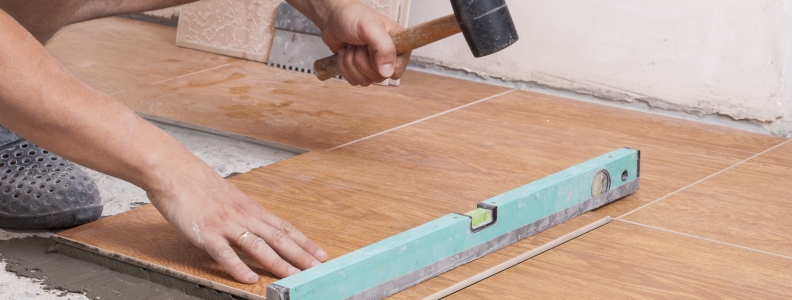
Mastic Vs Thinset What S The Difference

How To Tile Around A Tub Bathtub Walls Bathroom Shower Walls Bathtub Tile
Source : pinterest.com
